The world has serious problems. There's considerable suffering, dishonesty, injustice, and dysfunction in human affairs.
But what's even more challenging is that the impact of these things can reinforce the patterns that cause them.
The more hostile, emotionally reactive, and dishonest an environment becomes, the harder it is to stay centered, act constructively, think clearly, offer solutions, and communicate honestly.
Environment impacts contribution.
And just as cancer exists in an environment that can alter how cells use fuel, a dysfunctional social environment can alter how people behave, and what people choose to contribute.
Artists and thinkers have recognized this for a long time.
In the song "What's So Funny ('Bout) Peace, Love and Understanding," written by Nick Lowe and famously performed by Elvis Costello, the song evokes the experience of walking through a troubled world.
Even the word "wicked" in the opening line reinforces that image.
Michael McDonald, in the song "Here to Love You," (performed with the Doobie Brothers), points out the world’s problems can become so overwhelming that it makes life seem almost unbearable (and the emotional weight might shut people down).
Same idea.
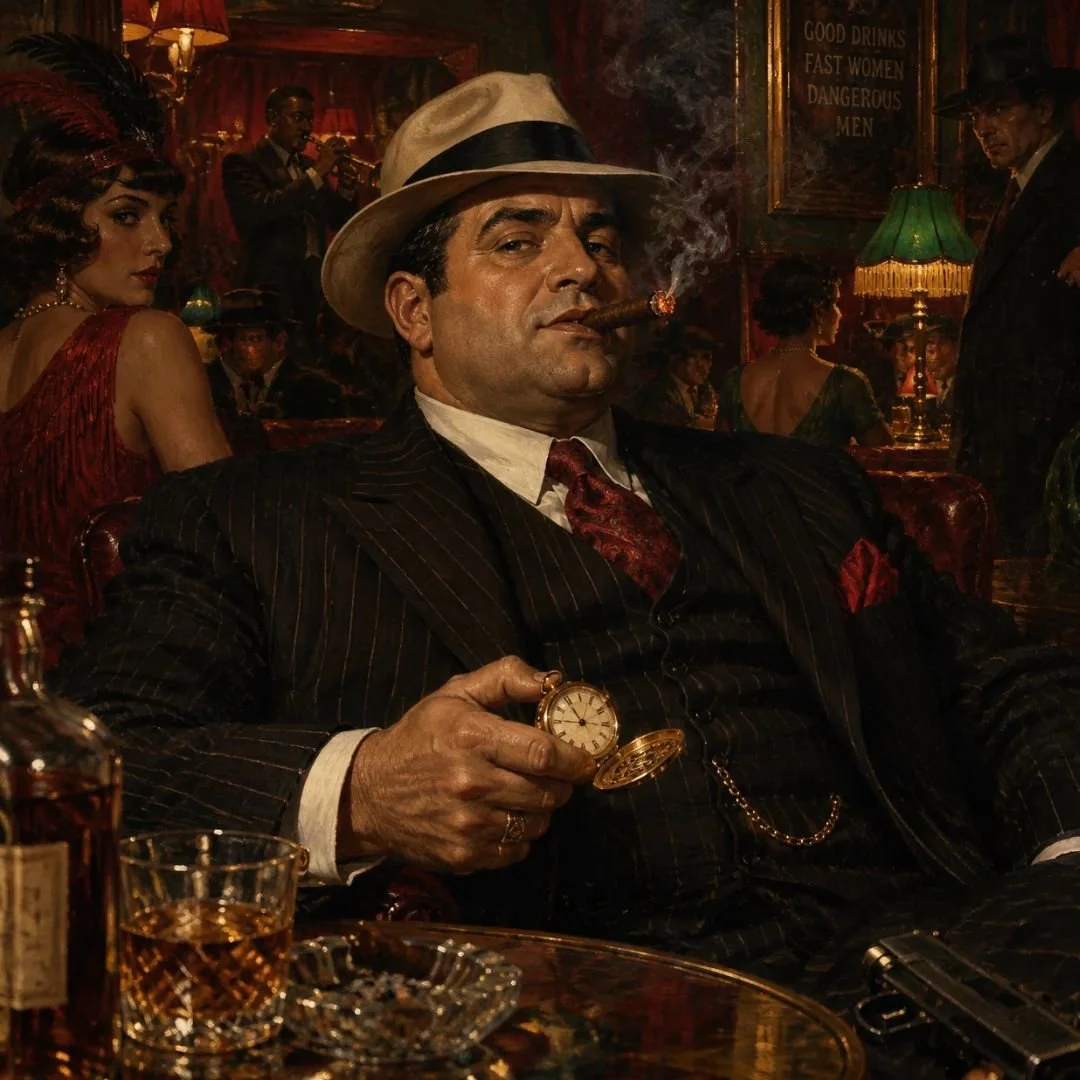
In comics, Gotham City is full of corruption.
Even comic books, like Batman, show us a world where it seems sometimes almost everybody is a criminal.
Gotham City, a proxy for the world, is constantly on the verge of collapse.
Corruption becomes a constant feature of the environment, like smog.
And you don't have to be a pulmonologist to realize that lungs have to work harder in an environment of smog than they do in clean air.
In the same way, dysfunctional environments that surround us, impact us.
They get inside us.
And live on in us.
As the Bible puts it, the sins of the fathers are visited upon the sons.
That's a simpler, and more ancient, way of saying there can be a self-reinforcing feedback loop.
The conditions of an environment can impact the behavior of the people operating within it.
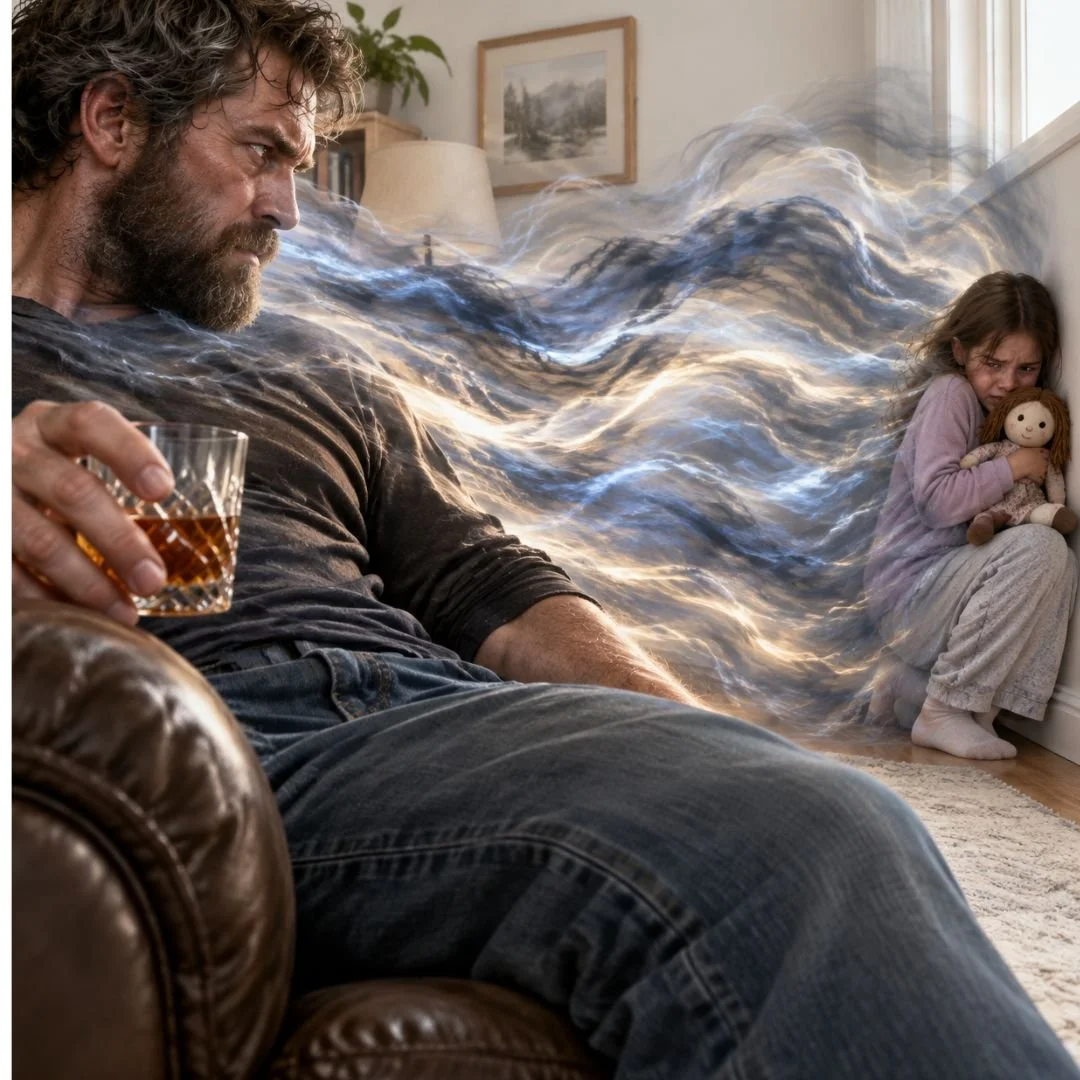
Or, said more simply: A dysfunctional environment doesn't merely produce bad outcomes.
It can replicate those outcomes.
And make them increasingly difficult to overcome.
Patterns
Recently, I attended a presentation on attachment theory.
But before we lionize any particular model, let's simplify things and call them patterns.
The martial arts have patterns.
In boxing, throwing a jab, then a cross, then a hook is a pattern.
Combinations of moves are used to achieve particular objectives.
Feint to confuse your opponent.
Strike to make him retreat.
Land a punch to score a point.
These objectives are often achieved not through one move, but through combinations of moves.
Over time, a boxer develops a repertoire of movements, a system of patterns they employ to achieve their objectives.

Similarly, the concepts in attachment theory describe how people develop patterns in response to the environments they've experienced and the patterns of the people around them.
If Joe constantly throws a right hook, and you train with him all the time, you're going to learn to counter or dodge a right hook.
That's really what we're talking about: adapting to feedback.
And since we're biological creatures, it's biofeedback.
Patterns of reaction that we learn, much like boxing combinations.
The thing about movement, however, is that if you want to build a new pattern, you have to:
break down the individual movements,
learn to repeat them,
and then put them together in combinations.
For example, when I got beaten by a better wrestler (technically, a Brazilian jiu-jitsu practitioner) with significantly more experience, I had to identify the patterns he was using.
I wasn't familiar with them.
So I had to go away and figure out how to adjust my own patterns, so I wouldn't wind up with bruised ribs next time.

That's very similar to relationships.
Much of the art is adapting our patterns to interface with the patterns others have developed.
And that's how learning works.
And also how patterns perpetuate themselves
Here's how it plays out in relationships and social environments.
People's pain and dysfunction produce behavioral patterns.
Other people who encounter those patterns then have to adapt to them.

Like a healthy cell having to adapt to the presence of a cancer cell, people develop compensatory patterns.
And those patterns, in turn, affect other people.
Dysfunctional patterns replicate and impact things so that the world keeps reacting to the original injury.
Like cancer, unchecked dysfunction can recruit more of the surrounding environment into its patterns.
But here's the good news.
Floyd Mayweather Jr., one of the greatest boxers, doesn't beat you because he's magic. Or because he's from Krypton.
He beats you because he's developed a far more sophisticated repertoire of patterns.
And that's just learning and practice.
A lot of it.
But it's human.
And it's doable.
Relationship problems may not always be solvable, but they still involve patterns (and agendas and other things, but let's stay focused. You can't train every sport at once).
Too often, we get triggered by other people's patterns and simply perpetuate the process.
Either we find ourselves on the ropes, or we accommodate ourselves to those patterns.
Action and reaction.
But a better move than getting trapped in the corner all the time is to watch the game tape.
Study Floyd Mayweather's patterns.
Ask yourself: What's the strategic move here?
What might get past those patterns, avoid them, or slip around them?
What response might actually work?
To do this requires a high degree of self-control, analytical capability, practice, and execution.
But it is possible.
And it's likely far more effective than remaining trapped in cycles of action and reaction, caught by ghosts of the past.
Responding rather than reacting
This is why spiritual and healing modalities so often focus on centering ourselves and finding the wisdom and clarity to act not from reaction, but from our best discernment of what works.
What is helpful.
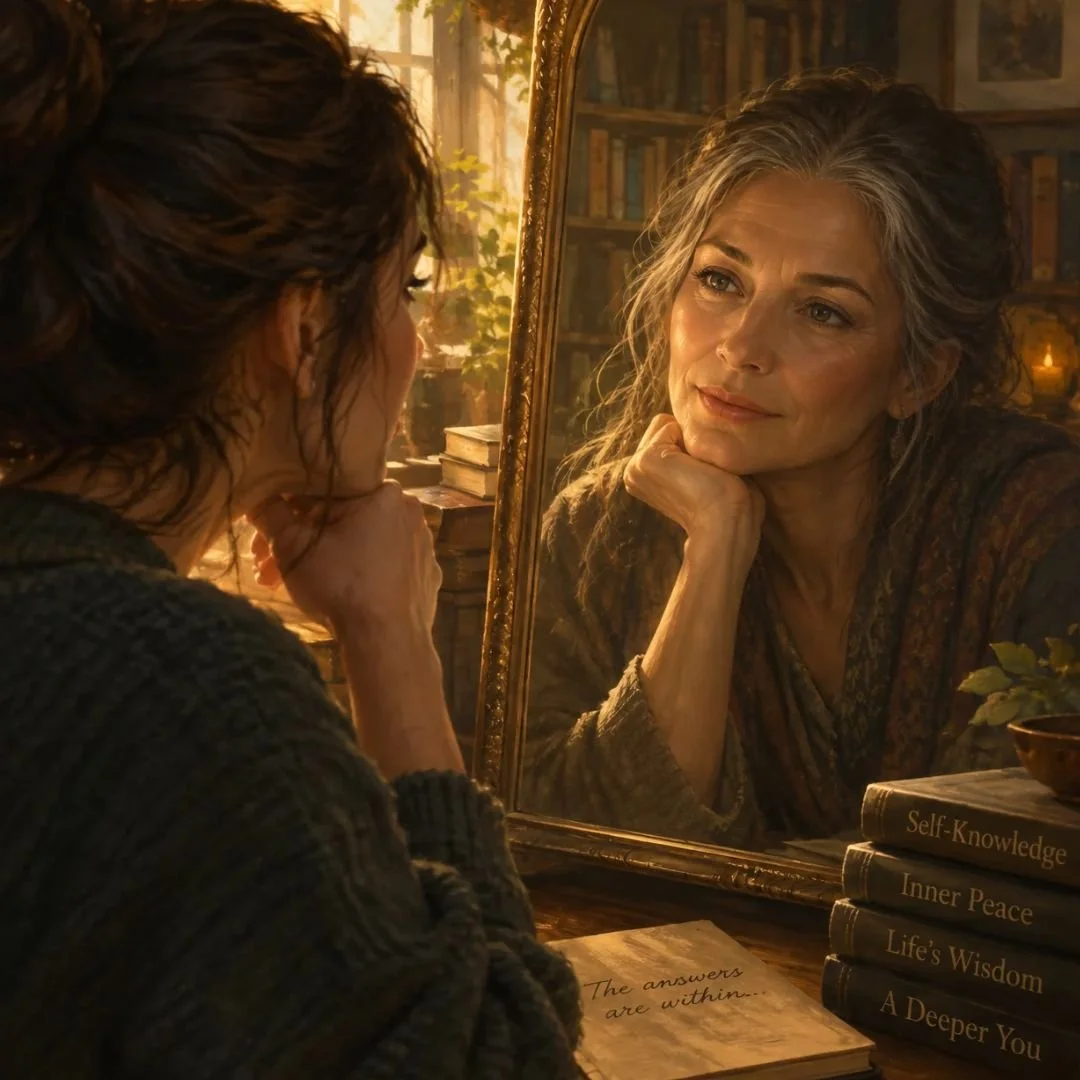
This takes maturity and discernment.
The Buddhist tradition, for example, looks at the world as an interconnected web, with each action rippling outward in ways we may not immediately see.
Our actions become part of the environment in which other people operate
In a practice called Nonviolent Communication (NVC), people train specific skills, and to my way of thinking, “become the environment."
Through certain trained responses they seek to shift the environment of the interaction so that new responses can emerge, both in them, and in the other person.
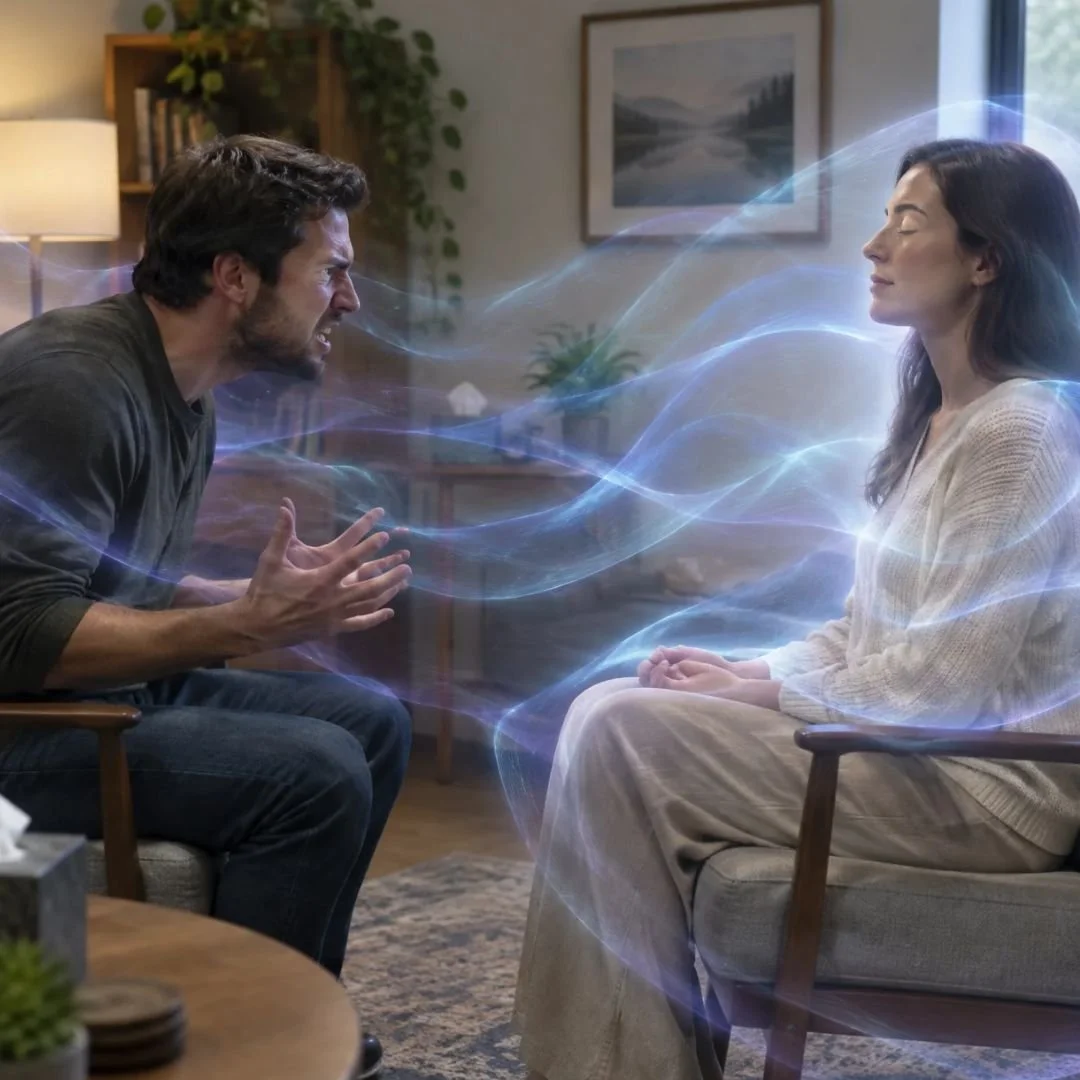
Martin Luther King did this in the deep south of the USA.
Gandhi did it in India.
And those efforts were inspired by spiritual traditions.
King through Christianity
Gandhi through Jainism and Hinduism.
Long before modern psychotherapy, people knew about the repetitive impact of suffering and working with problematic energetic patterns.
And that brings us back to the original problem:
Environment impacts contribution.
Just because you're centered, just because you choose your actions, doesn't mean you're going to beat Floyd Mayweather in a fight.
However, with practice, getting in the ring, sparring, breaking down movements, and making them automatic, you have a far better shot.
If we want to have a shot at making a contribution that is helpful (not just personally enriching) in this wicked world, we need to be able to come from our wisest and most centered place and execute well-practiced movements.
Because ultimately, we're not in a boxing match.
But the blows coming at us are real enough.
They're energetic reactions playing out inside other people, shaped by their histories and experiences.
The writer Sally Kempton called these samskaras, which she suggested you could think of as "some scars": the patterned behavior inside people that can make them difficult for us to interact with.
Kempton taught from the Kashmir Shaivism tradition, but that's just fancy language for a particular spiritual tradition with a view similar to thousands of others.
The point is that spiritual and healing traditions (of which modern psychology is one expression) have long recognized that patterns of energy and behavior shape us and influence what we encounter.
We can give them names like rajas and sattva, or insecure and avoidant, but that's just another way of describing patterns.
It's a little like saying jab, cross, hook.
You know when you've been hit in the face.
The words we use to describe the blow are ultimately just a way of understanding, communicating, and training around the experience.
What Batman understood was that in a hurting and corrupt world, there is really only one answer:
Train harder.
Get better at recognizing and responding to the patterns that will come your way.
And that will arise in you.
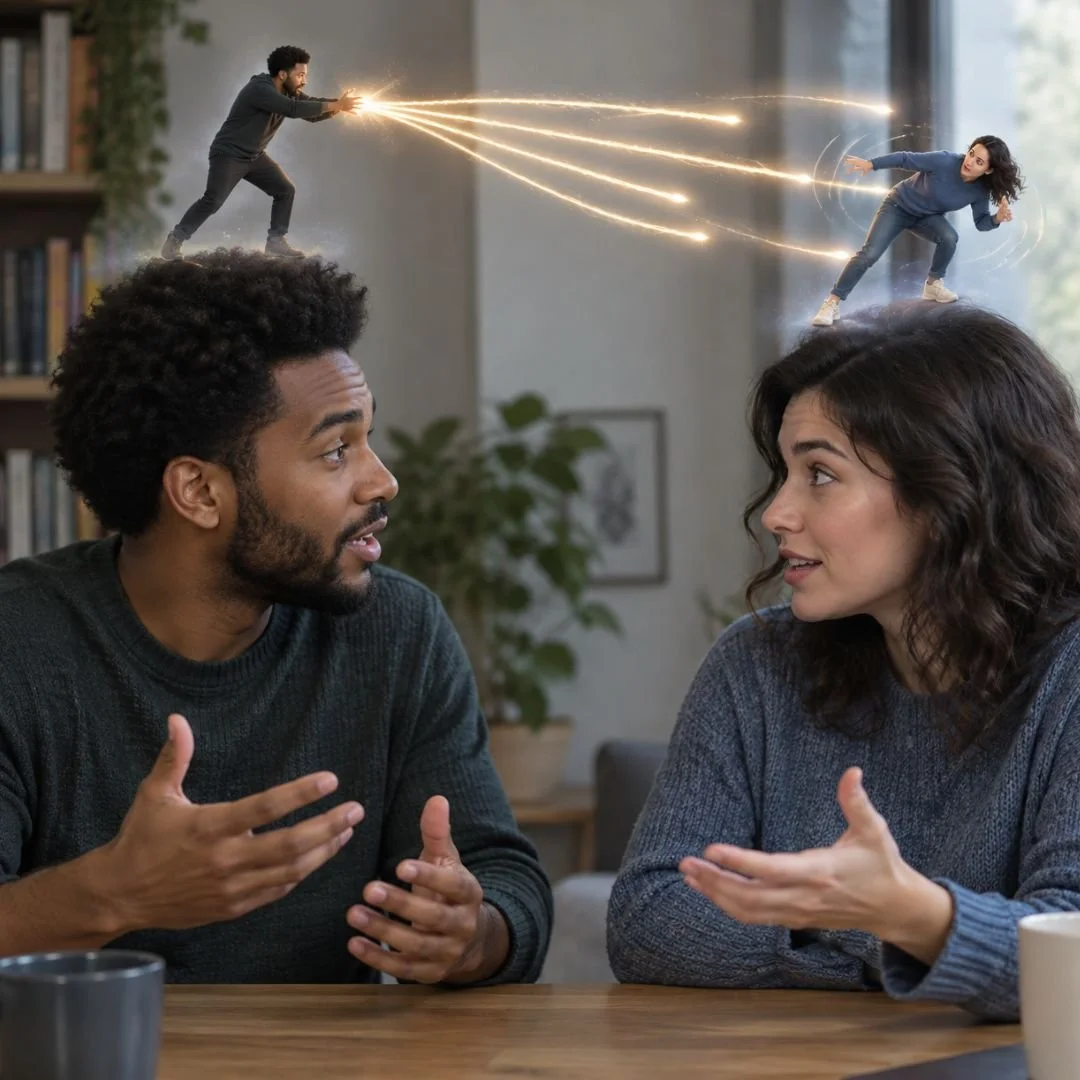
Too often, people see the styles of relating and behaving that others have developed as "evil," when really, those patterns make sense in the context of the experiences that produced them.
A beginner's patterns in the boxing ring make just as much sense as Floyd Mayweather's.
They're simply less sophisticated.
And the beginner probably hasn't had the same amount of training.
As we develop greater skill with patterns, we become better at anticipating those of others, getting out of the way, avoiding the blows, and choosing how we respond.
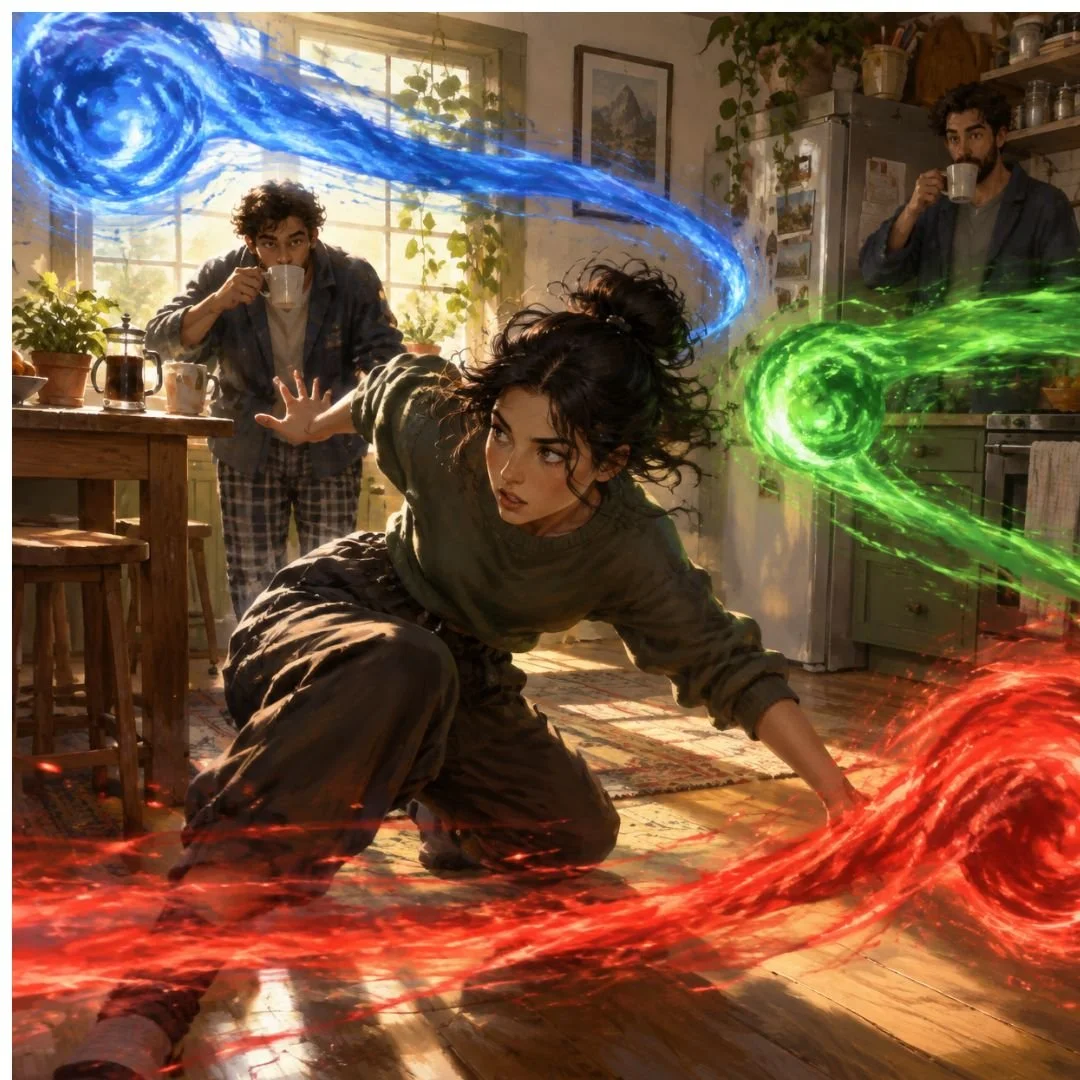
What doesn't work in boxing or relationships is allowing ourselves to become so overwhelmed that we stop thinking, flail wildly, or retreat into helplessness.
Summary
The worlds and people around us are full of patterns.
Mastery of patterns shows up in graceful dance, artful fighting, a well-crafted song, and the ability to bob and weave amid the many energetic patterns other people bring into the world as a result of their own experiences.
We may not be able to control the world we walk through.
But we can learn to move through it differently, more like a spiritually informed fighter, one who trains to analyze, understand and interact with patterns.
Ultimately a spiritual warrior is someone who figures out how to change the environment through the quality of their own responses.
Great boxers eventually transcend moves and combinations, they learn to influence the pattern of the interaction itself.
They read the opponent, create opportunities, control the pace, and shape the encounter.
Walking through a wicked world is not just about absorbing blows and the patterned reactions of everyone around you. It's about learning how to respond skillfully enough to change what happens next.
And to paraphrase Rocky: “That’s how winning is done.”
Disclaimer
The information and content provided by Mind Body Literacy and in this article is general information and is intended for educational purposes only. Individual situations vary. This content is not intended as, nor should it be used as a substitute for, professional medical or psychological advice, diagnosis or treatment. No guarantee or warranties are made with respect to the accuracy, applicability, fitness, or completeness of the content. This article reflects personal observations, interpretations, and opinions.
Nathan Schechter, ACSM CPT, writes about the mechanics of experience - how people learn, change, connect, and perform under real conditions.